Anion Gap and Delta Gap Calculator Reference
What the Anion Gap Indicates
The anion gap is a computed measure that helps doctors assess acid-base balance and identify hidden electrolyte disturbance. It is based on routine lab results from a blood test and reflects the difference between measured positively charged ions and negatively charged ions in the blood.
In practice, the calculation uses serum sodium, serum chloride, and bicarbonate, with potassium sometimes included depending on the formula. The result helps identify unmeasured negatively charged ions that may be accumulating during illness. Because of that, the anion gap is a useful assessment tool for evaluating an acidotic state and narrowing the causes of metabolic acidemia.
Most clinicians first review a BMP or a blood gas when acid-base problems are suspected. The anion gap can then help determine whether the patient has increased anion gap metabolic acidosis or normal anion gap metabolic acidosis. That distinction matters because https://anion-gap-reader975.cloudhinter.com/posts/anion-gap-calculator-with-potassium-excluded the underlying causes, severity, and next steps can be very different.
Although the calculation is simple, the interpretation is not. The value is only one piece of the broader medical interpretation of the patient’s condition. It should be considered alongside symptoms, medications, kidney function, glucose, lactate, ketones, and other lab findings.
How to Work With an Anion Gap Calculator
An anion gap calculator streamlines the gap calculation so you can quickly understand the result from a blood chemistry panel. To use it, enter the serum sodium, chloride, and bicarbonate values. Some calculators also let you add albumin and potassium, which increases accuracy in certain cases.
The main advantage of a calculator is quickness and consistency. It cuts down on arithmetic mistakes and helps structure the evaluation of metabolic derangement. In many cases, the calculator will also display a corrected result if the serum albumin is low, since hypoalbuminemia can reduce the apparent gap and mask clinically important disease.
A practical workflow is as follows:
- Check the basic metabolic panel or blood gas.
- Enter serum sodium, serum chloride, and bicarbonate.
- Enter albumin if the calculator supports albumin correction.
- Compare the calculated anion gap against the expected reference interval.
- If the gap is elevated, assess for causes of metabolic acidosis.
- If the result is abnormal, consider whether a mixed acid-base disorder is present.
The calculator is most helpful when paired with the rest of the acid-base picture. A normal number does not automatically mean normal physiology, and an elevated number does not identify the cause by itself. It is a guide for further clinical interpretation, not a final diagnosis.
Anion Gap Equation & Typical Values
The classic anion gap formula is written as:
Anion gap = sodium - (chloride + bicarbonate)
Some clinicians include potassium in the calculation, but many modern calculators exclude it because the effect is small. When potassium is included, the result is slightly higher, but the same overall interpretive principles apply.
The normal anion gap depends on the lab method and the reference range used by the laboratory. Different analyzers and measurement techniques can change the expected interval. That is why it is best to interpret the result using the lab’s own reference interval rather than a universal cutoff alone.
Albumin correction is essential because serum albumin is a major unmeasured anion. When albumin is low, the anion gap may appear falsely normal. Correcting for albumin helps reveal a hidden increase in unmeasured anions. This can be especially important in critically ill patients with metabolic acidosis.
A common clinical approach is to adjust the gap upward when albumin is below normal. The exact correction factor can change by method, but the principle is the same: low albumin lowers the measured anion difference, so correction improves accuracy. For that reason, a good anion gap calculator often features albumin correction as a built-in feature.
Understanding the formula also helps illustrate the physiology. The serum contains measured cations and anions, but not all ions are directly measured. The gap represents the difference created by these unmeasured anions, making it a helpful window into hidden metabolic processes.
What exactly the Delta Gap Means and Why It’s Important
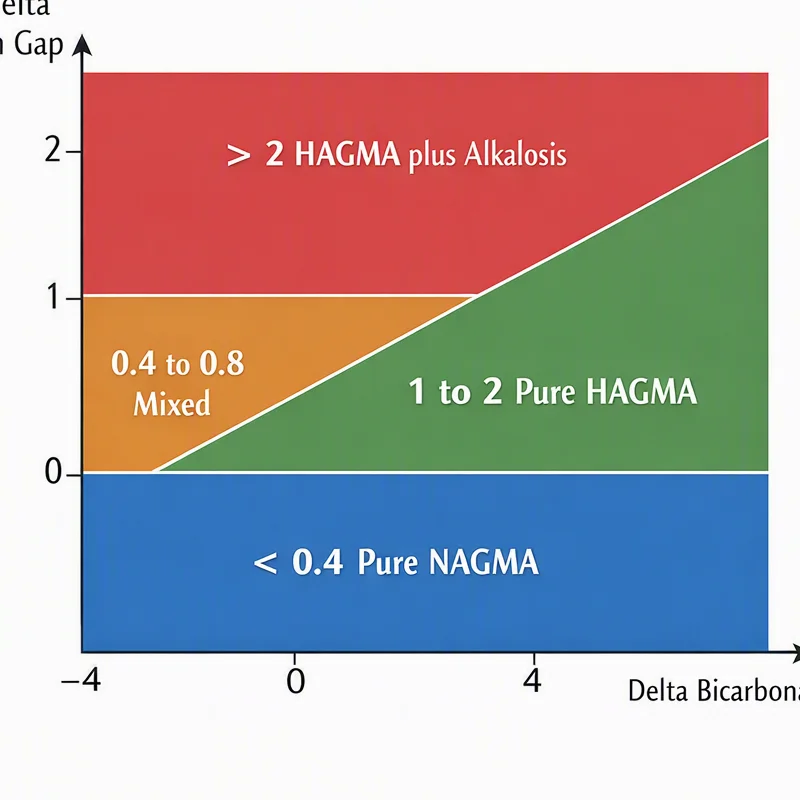
The delta gap expands the reading of the anion gap by weighing the increase in gap to the fall in bicarbonate. This check helps determine whether the patient has just one acid-base problem or a mixed acid-base disorder. It is particularly useful in metabolic acidosis when the clinician wants to know if another process is also affecting the bicarbonate level.
This is where the delta-delta ratio enters the picture. The ratio measures the change in anion gap to the change in bicarbonate. If the ratio suggests a mismatch, it may indicate an additional disorder such as metabolic alkalosis or another type of metabolic derangement occurring at the same time.
Why does this matter? Because not all cases of acidosis are simple. A patient with high anion gap metabolic acidosis may also have vomiting, diuretic use, or other factors that push bicarbonate in the opposite direction. The delta gap and delta-delta ratio help reveal those overlapping patterns.
In short, the delta gap is a delta calculation that enhances the initial gap calculation. Instead of asking only whether the anion gap is elevated, it asks whether the increase in gap aligns with the expected drop in bicarbonate. That makes it an important tool for acid-base interpretation.
Step-by-Step Delta Gap Calculation
To determine the delta gap, at first find the measured anion gap from the chemistry values. Afterward compare it to the expected anion gap, which is often the upper end of the lab’s normal reference interval. The difference between the measured and expected values is the delta.
After that, compare that delta with the drop in bicarbonate. This comparison assists assess whether the bicarbonate loss is proportional to the increase in unmeasured acids.
A straightforward approach looks like this:
- Find the measured anion gap.
- Determine the expected anion gap from the lab reference range.
- Subtract expected from measured to find the delta gap.
- Assess that value with the change in bicarbonate.
- Analyze the pattern using the delta-delta ratio.
If the rise in anion gap is larger than the fall in bicarbonate, a second process such as metabolic alkalosis or preexisting elevated bicarbonate may be present. If bicarbonate falls more than expected, another acidifying process may be contributing. Either way, the result supports more nuanced acid-base interpretation.
This systematic approach is particularly useful when the clinical picture is unclear. For example, a patient may have metabolic acidosis from one source and vomiting-related alkalosis from another. A basic gap calculation alone may miss that combination, but the delta gap can point toward a mixed acid-base disorder.
How to Understand Usual Results
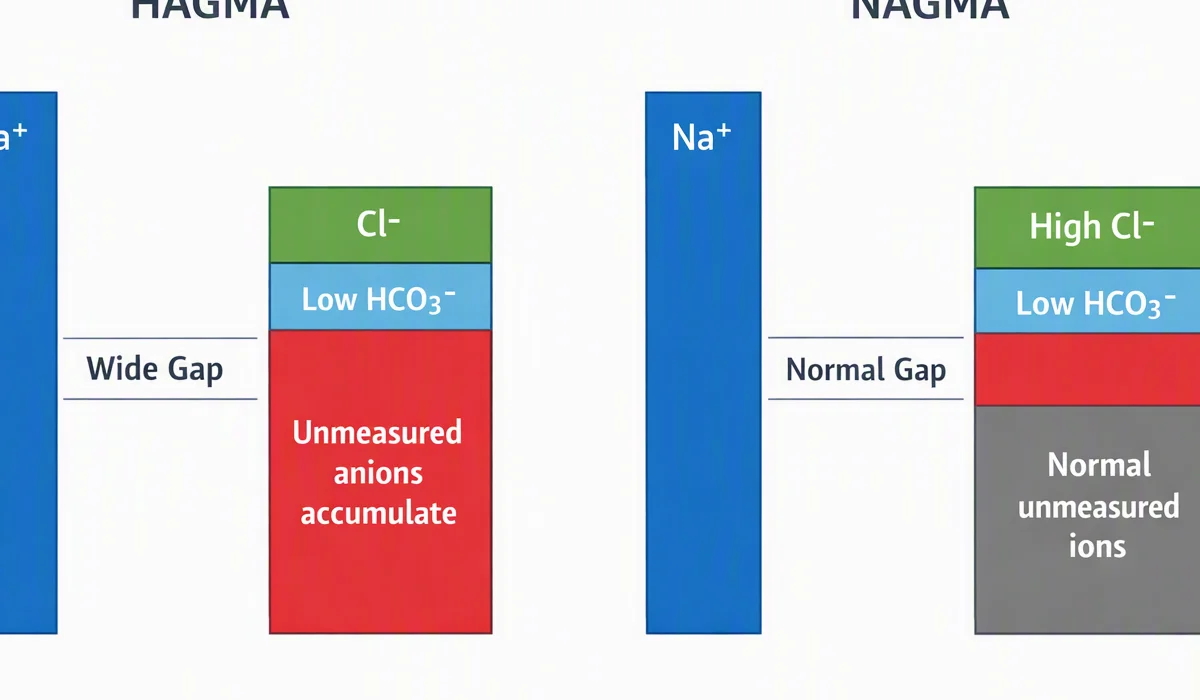
A increased anion gap metabolic acidosis often indicates there is accumulation of organic acids or other unmeasured negatively charged ions. The key clinical question is not just whether the gap is high, but what is behind the elevation and whether compensation is adequate.
In contrast, normal-gap metabolic acidosis suggests that bicarbonate has been depleted and substituted with chloride, so the gap stays within the reference interval. This pattern is often called hyperchloremic acidosis because chloride increases as bicarbonate drops.
Breathing compensation should also be evaluated. In metabolic acidosis, the body generally boosts ventilation to decrease CO2 and partially normalize pH. A blood gas can help determine whether the compensatory response is adequate or whether another respiratory disorder is present.
Frequent clinical patterns include:
- Elevated anion gap metabolic acidosis with expected ventilatory compensation.
- Non-anion gap metabolic acidosis with hyperchloremia and bicarbonate loss.
- Metabolic acidosis with a superimposed mixed acid-base disorder.
- Elevated gap with atypical bicarbonate behavior suggesting a second process.
Practically speaking, clinicians use the anion gap, delta gap, and blood gas together. The pattern is more important than any single number. A patient can look clinically stable while having a significant hidden metabolic problem, or appear severely unwell with only modest changes in the measured gap.
Reasons of Elevated Anion Gap
A widened anion gap indicates build-up of unaccounted-for anions. A number of major conditions can cause this pattern, and the differential diagnosis depends on the overall clinical picture, medications, and other lab findings.
Lactic acidosis is a frequent cause and may occur with tissue hypoperfusion, sepsis, seizures, or severe illness. Elevated lactate introduces unmeasured acid to the blood and often causes high anion gap metabolic acidosis.
Diabetic ketoacidosis is another classic cause. Ketone bodies accumulate and lower bicarbonate while increasing the gap. This is a key example of metabolic derangement where the anion gap calculator can promptly highlight the severity of the acid-base problem.
Renal failure can also increase the anion gap because the kidneys cannot excrete acid properly. Retained acids and reduced clearance of metabolic byproducts can worsen the acidotic state.
Toxic alcohols are an significant and potentially dangerous cause. Methanol, ethylene glycol, and similar substances can generate acidic metabolites that increase the gap. In these cases, the gap may be only one clue among many, and urgent clinical assessment is essential.
Other causes may include medications, toxins, and inborn metabolic problems, but the major categories above are the most commonly emphasized. The key point is that an elevated anion gap signals a need to look for hidden acids, not simply to treat the number itself.
Etiologies of Regular Anion Gap Metabolic Acidosis
Non-anion gap metabolic acidosis usually reflects direct reduction of bicarbonate rather than accumulation of unidentified acids. Because the lost bicarbonate is offset by chloride, the serum chloride tends to rise, producing hyperchloremia.
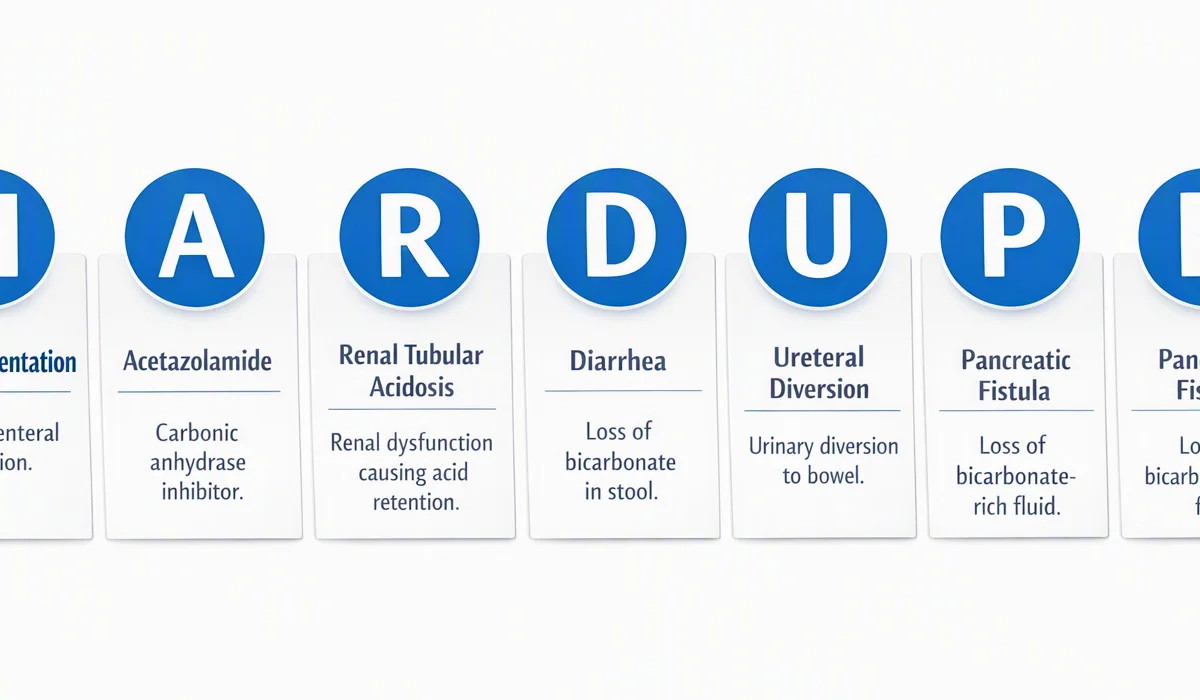
Diarrhea is a classic cause because the gastrointestinal tract can expel large amounts of bicarbonate-rich fluid. This leads to metabolic acidosis with a normal gap and elevated chloride.
Renal tubular acidosis is another important cause. In this condition, the kidneys cannot process acid and bicarbonate properly, resulting in persistent acid-base imbalance. Different forms of renal tubular acidosis can have different mechanisms, but they share the pattern of normal gap acidosis.
Bicarbonate loss can also occur through fistulas, certain medications, or renal causes. The common theme is that bicarbonate falls without a corresponding rise in unmeasured anions, so the anion gap may stay within range.
These patterns matter because they change the workup. If the anion gap is normal, the next question is often whether the problem is gastrointestinal loss, renal tubular disease, or another cause of bicarbonate loss. The chloride level and blood gas results are especially useful in that analysis.
Constraints and Clinical Caveats
Even a well-designed anion gap calculator has limitations. The biggest one is albumin correction. Because albumin is a key unmeasured anion, low serum levels can conceal a true elevation in the gap. Without adjustment, a significant disorder may be missed.
Lab error is another caveat. Sample contamination, analyzer variation, or transcription mistakes can distort the result. If the value does not fit the clinical picture, repeat testing and review of the original basic metabolic panel may be necessary.
The calculated number also shows the overall acid-base balance at a single moment. It does not indicate how quickly the disorder developed or whether the patient is improving. Changes over time can be more informative than a single measurement.
In addition, clinical context is essential. A mildly abnormal anion gap in a stable patient has a different meaning than the same result in someone with shock, altered mental status, or kidney injury. The calculator supports judgment, but it does not replace it.
For best results, evaluate the anion gap, delta gap, and blood gas together, then compare them with symptoms, medications, and the rest of the chemistry profile. That combined approach improves the chance of identifying mixed acid-base disorder and identifying the right underlying cause.
Frequently Asked Questions About Anion Gap and Delta Gap Calculators
What does an anion gap calculator used for?
An anion gap calculator is used to efficiently assess metabolic acidosis and identify whether the problem is likely to be a high anion gap metabolic acidosis or a normal anion gap metabolic acidosis. It helps clinicians interpret electrolyte patterns from lab values and decide whether further evaluation is needed.
How is the delta gap calculated?
To calculate the delta gap, first find the measured anion gap, then compare it with the expected anion gap from the lab’s reference interval. The difference is compared with the drop in bicarbonate. This helps determine whether there may be a mixed acid-base disorder.
Why can albumin affect the anion gap?
Albumin is a major unmeasured anion, so lower albumin reduces the apparent anion gap. That is why albumin correction matters. Without it, a true gap elevation may be missed, especially in patients with significant illness or low serum albumin.
What does a high anion gap mean?
A high anion gap often means there are more unmeasured acids in the blood, such as those seen in lactic acidosis, diabetic ketoacidosis, renal failure, or toxic alcohols. It typically suggests metabolic acidosis and should be read with the blood gas and overall clinical picture.
Can a normal anion gap nevertheless point to metabolic acidosis?
Yes, it can. Normal anion gap metabolic acidosis is common and often results from diarrhea, renal tubular acidosis, or additional causes of bicarbonate loss. In this setting, chloride often goes up to maintain electroneutrality, so the gap may remain normal even though the patient is acidotic.